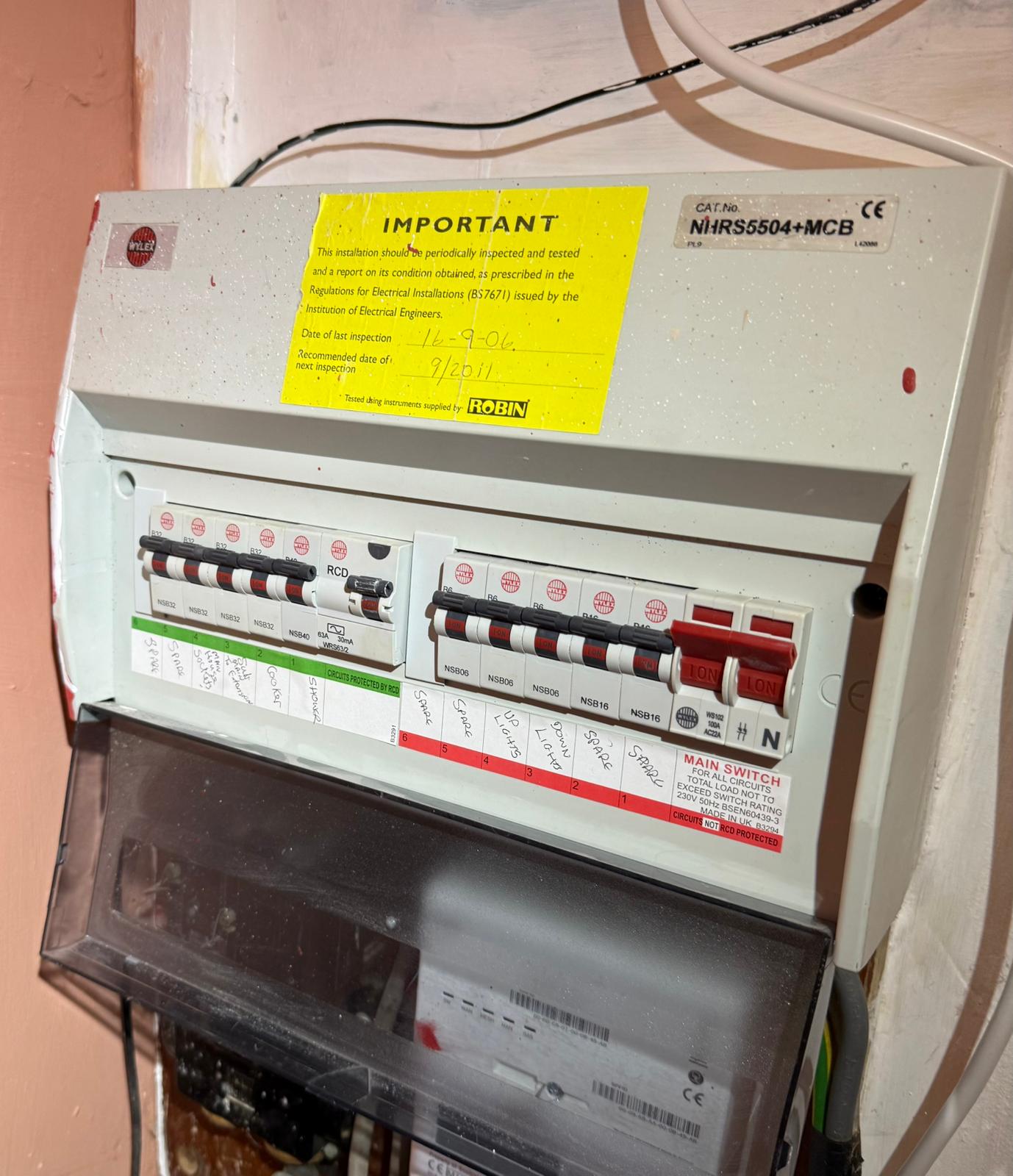
If you've ever had the electrics suddenly switch off and found yourself resetting a switch in the consumer unit, there's a good chance an RCD was doing exactly what it was designed to do.
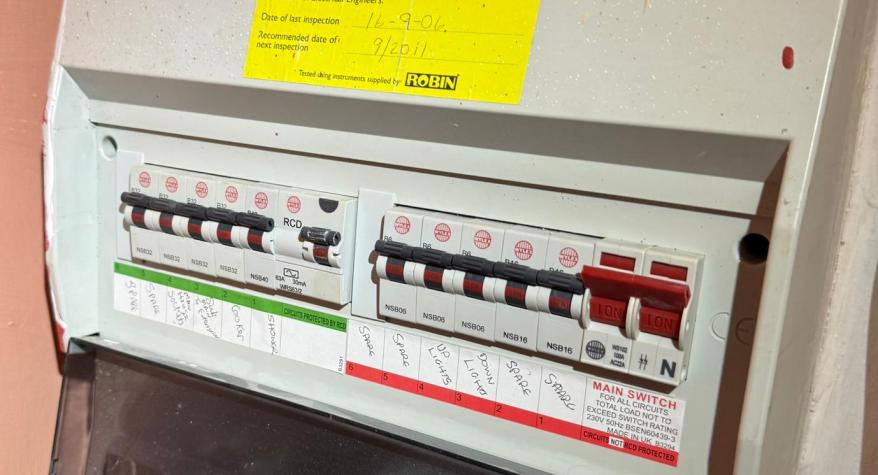
An RCD, or Residual Current Device, is an important safety device that helps protect against electric shock and can reduce the risk of electrical fires.
How Does an RCD Work?
An RCD constantly checks that electricity is flowing normally around a circuit. If it detects an imbalance caused by a fault, it disconnects the power in a fraction of a second.
This fast response provides additional protection against electric shock and helps reduce the risk of electrical fires.
Why Are RCDs Important?
RCDs provide an extra layer of protection that ordinary fuses and circuit breakers cannot.
They are commonly used to protect:
- Socket outlets.
- Lighting circuits.
- Outdoor sockets.
- Garden lighting.
- Bathroom circuits.
Because they react so quickly, RCDs help reduce the risk of electric shock and electrical fires.
Why Does an RCD Keep Tripping?
If your RCD keeps tripping, it's usually a sign that something isn't quite right.
Common causes include:
- A faulty appliance.
- Problems with outdoor lights or sockets.
- Damaged wiring.
- Water getting into electrical equipment.
- Faults on a lighting circuit.
Repeated tripping should not be ignored. Resetting the switch may restore the power temporarily, but the underlying fault still needs to be found and repaired.
Type AC and Type A RCDs Explained
Not all RCDs are the same.
Type AC RCDs
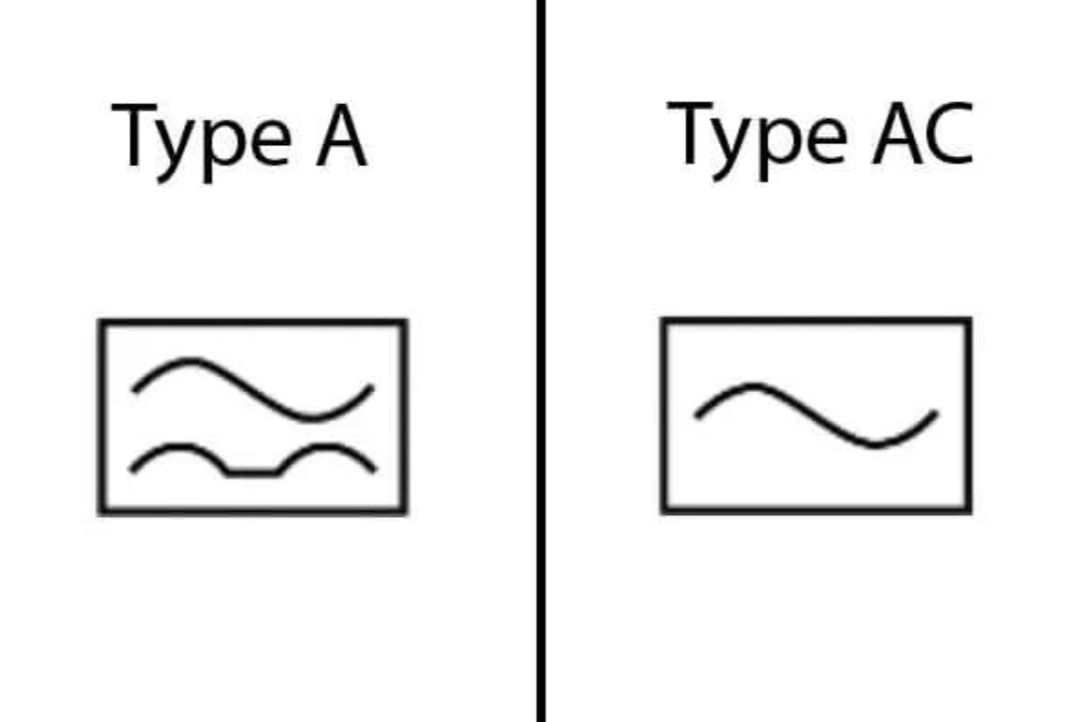
Type AC RCDs were commonly installed in older consumer units and are designed to detect AC fault currents.
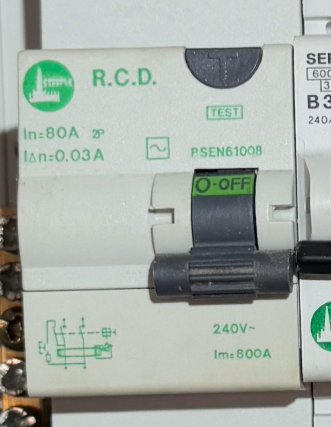
Many homes still have Type AC devices installed. Their presence does not automatically mean there is a problem. However, Type AC devices are generally no longer used in most new domestic installations because modern appliances can produce fault currents that require a different type of protection.
Type A RCDs
Type A RCDs are designed to detect both AC and pulsating DC fault currents.
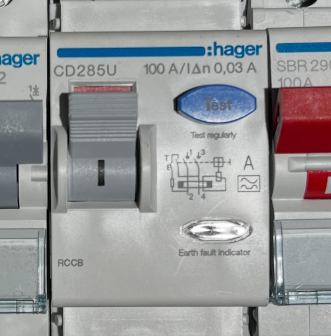
Type A devices are better suited to modern homes because many everyday appliances contain electronic components. Washing machines, dishwashers, induction hobs, LED lighting, computers, televisions and EV chargers are just a few examples.
For this reason, Type A RCDs are now the preferred choice for most new domestic installations.
How Do I Know If I Have a Type A or Type AC RCD?
You can usually identify the type of RCD by looking inside your consumer unit.
Look for:
- The words Type AC or Type A printed on the front.
- A symbol next to the rating information.
- Markings close to the test button.
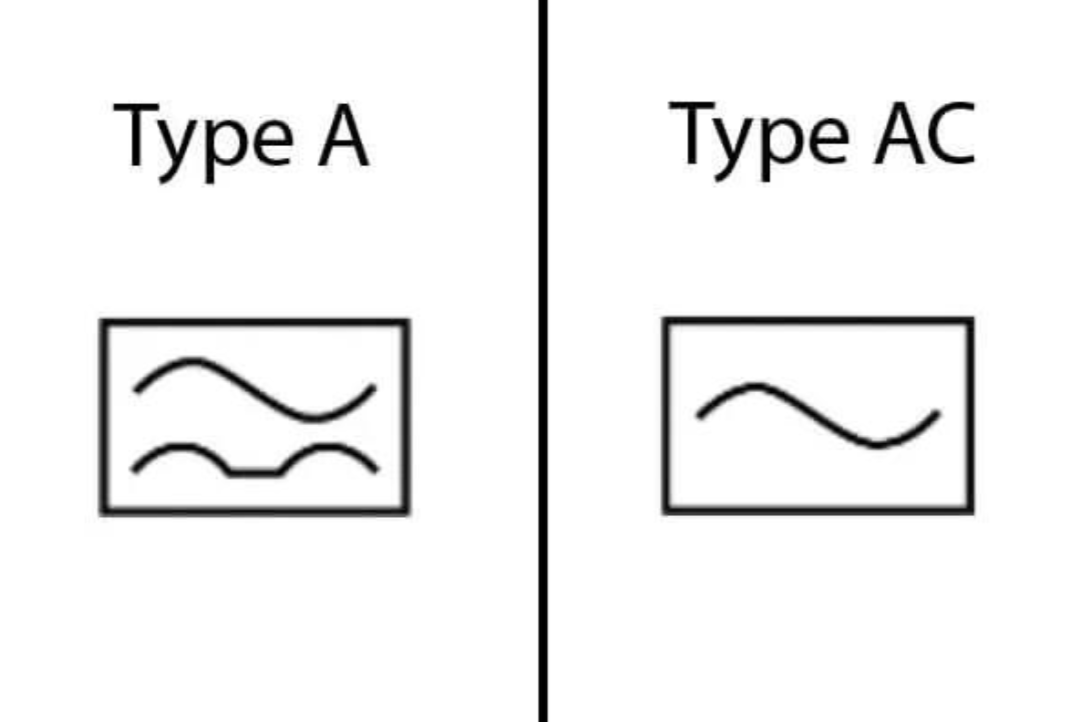
The markings are often quite small, so a torch or your phone camera may help. Different manufacturers arrange the labels slightly differently, but the symbols themselves are standard.
If you're unsure, it's best not to remove any covers. A qualified electrician can quickly identify the type of protection installed.
Can Older Consumer Units Still Have Type AC RCDs?
Yes. Many homes still have older consumer units fitted with Type AC RCDs. Having Type AC devices does not automatically mean the installation is unsafe.
However, if a consumer unit is replaced or major electrical work is carried out, the new installation must comply with current wiring regulations. In most cases, this means Type A RCD or RCBO protection will be installed.
How Often Should an RCD Be Tested?
Most manufacturers recommend pressing the test button every six months.
The switch should trip immediately. If it doesn't, or if your RCD trips regularly for no obvious reason, it's worth having it checked by an electrician.
Need Help With Tripping Electrics in Yaxley?
If your RCD keeps tripping, proper fault finding is often needed to identify the cause. Repeatedly resetting the switch may get the power back on, but it won't fix the underlying fault.
Kerdon Electrical Ltd provides electrical fault finding and repairs for homeowners in Yaxley, Farcet, Stilton, Folksworth, Sawtry, Helpston, Stamford, Oundle and the surrounding villages.
Whether it's a nuisance trip, a faulty appliance or a problem with the consumer unit itself, the aim is to identify the fault properly and restore your electrics safely.
Get in touch today to enquire about our Fault Finding & Repair Services